

HVAC Mold Removal in Vancouver, WA
Vancouver's year-round humidity creates persistent moisture levels that favor mold growth in HVAC systems and ductwork, particularly in older homes where ventilation may be limited. When mold takes hold in your heating and cooling system, it circulates throughout your home and can compromise indoor air quality. Bennett Mold Remediation connects you with local providers who specialize in HVAC mold removal, ensuring thorough inspection and remediation to restore clean air circulation.
HVAC Mold Removal Services in Vancouver, WA
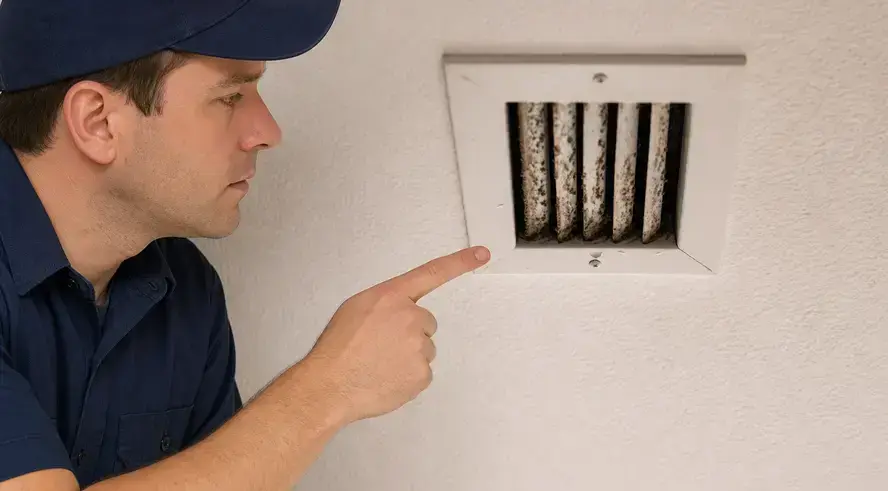
Vancouver's marine west coast climate maintains elevated indoor humidity levels throughout the year, creating persistent conditions where mold thrives in heating, ventilation, and air conditioning systems. Many established homes in Vancouver, particularly those with vented crawl spaces in neighborhoods near the river, face ongoing moisture challenges that HVAC systems are especially vulnerable to. When moisture accumulates in ducts, coils, and ventilation pathways, mold can develop and spread through the air you breathe indoors—affecting air quality and comfort across your entire home. Recognizing the signs of HVAC mold early and addressing it thoroughly prevents the problem from worsening and protects the system's long-term performance.
Bennett Mold Remediation connects Vancouver property owners with independent local providers who specialize in HVAC mold removal, approaching each situation with careful inspection, safe containment, and complete remediation focused on your system's specific needs. These providers identify where mold is developing within your ducts and components, remove affected materials, restore ventilation integrity, and establish conditions that discourage regrowth. By addressing HVAC mold at its source rather than masking symptoms, you restore healthier indoor air and confidence in your system's operation. Whether you've noticed musty odors, visible growth, or declining air quality, Bennett Mold Remediation helps you connect quickly with local professionals ready to evaluate and resolve the problem.
Why Vancouver Property Owners Choose Bennett Mold Remediation
HVAC Mold Removal Experience
Bennett connects you with local providers who understand HVAC mold removal thoroughly. Their experience in identifying mold within ductwork, coils, and air handlers ensures comprehensive treatment tailored to your system's specific needs.
Fast HVAC Mold Removal Response
When mold affects your HVAC system, quick action prevents spread and restores indoor air quality fast. Bennett's local provider network responds promptly to connect you with remediation specialists ready to address HVAC mold removal without delay.
Thorough HVAC Mold Removal Process
HVAC mold removal requires clear communication about what's affected, how it will be treated, and what to expect during remediation. Bennett's independent providers explain each step, ensuring you understand the scope and stay informed throughout removal.
Vancouver's Moisture Challenge
Year-round humidity in the Vancouver area keeps indoor moisture levels elevated, creating ideal conditions for mold growth in HVAC systems even during drier months. Homes in neighborhoods like Hazel Dell and Salmon Creek are particularly vulnerable to persistent moisture problems that feed HVAC mold, making professional removal and system assessment essential.
How Our HVAC Mold Removal Process Works
Schedule Your HVAC Mold Assessment
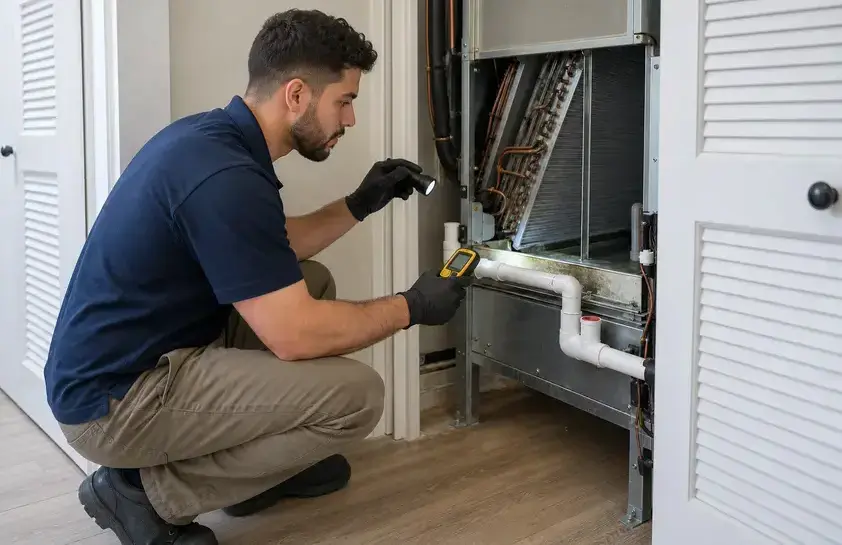
Contact Bennett Mold Remediation to connect with a local independent provider who specializes in HVAC mold inspection in Vancouver. They'll arrange a visit to examine your heating and cooling system for mold growth, moisture accumulation, and contamination affecting indoor air quality.
Receive Your HVAC Mold Inspection Report
The independent provider will inspect ductwork, coils, blower components, and air handlers for active mold, then document findings and explain how moisture in your HVAC system—common in our region's persistently humid climate—is supporting growth. You'll receive a clear report with recommended HVAC mold removal steps.
Complete HVAC Mold Removal and Prevention
The local provider removes contaminated materials, cleans accessible HVAC components, and addresses moisture sources driving mold in your system. After removal, they'll discuss ongoing maintenance and moisture control to help reduce the likelihood of recurrence in your home's HVAC.
Dealing with HVAC Mold Removal in Vancouver? Get fast, professional help.
Call Now — (360) 997-5574HVAC Mold Removal Across Vancouver Neighborhoods
Vancouver's marine west coast climate creates year-round moisture challenges that extend well beyond seasonal rainfall. The consistently elevated humidity indoors—even during drier months—creates an ideal environment for mold growth within HVAC systems, where condensation naturally accumulates. This persistent moisture load means that ductwork, coils, and air handlers in homes throughout Vancouver neighborhoods like Hazel Dell and Salmon Creek are at heightened risk of colonization if air circulation and drainage aren't functioning optimally. When mold takes hold in HVAC components, it doesn't just sit quietly—it spreads spores throughout your home every time the system runs, affecting indoor air quality room by room.
Many established neighborhoods in the area rely on vented crawl spaces, where moisture management directly influences the humidity that enters the home's main living spaces and, in turn, the load placed on HVAC systems. Poor crawl space ventilation allows moisture to rise into the home, forcing your heating and cooling equipment to work harder and creating conditions where mold thrives in ducts and coils. Addressing HVAC mold removal in Vancouver means tackling not just the visible growth, but the underlying moisture source—whether that's improving crawl space airflow, fixing condensate drainage, or ensuring the system itself isn't trapping water where mold can establish. Local providers connected through Bennett Mold Remediation understand these regional patterns and can help identify whether your HVAC mold problem stems from system design, home construction, or both.
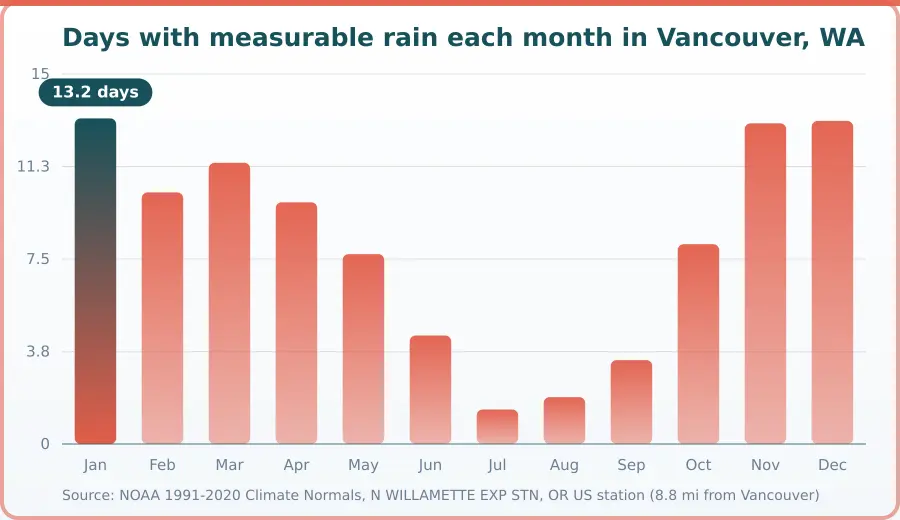
| Period | Days with measurable rain by month (days) |
|---|---|
| Jan | 13.2 |
| Feb | 10.2 |
| Mar | 11.4 |
| Apr | 9.8 |
| May | 7.7 |
| Jun | 4.4 |
| Jul | 1.4 |
| Aug | 1.9 |
| Sep | 3.4 |
| Oct | 8.1 |
| Nov | 13 |
| Dec | 13.1 |
Source: NOAA 1991-2020 Climate Normals, N WILLAMETTE EXP STN, OR US station (8.8 mi from Vancouver). Retrieved October 5, 2026.
Seasonal HVAC Mold Removal Challenges in Vancouver
Spring: Thawing & Condensation
As temperatures rise and indoor heating decreases, HVAC systems experience condensation buildup inside ducts and around cooling coils. Mold colonizes these wet surfaces rapidly. Bennett Mold Remediation connects you with local providers who inspect ductwork and drain lines to catch growth before it circulates into living spaces.
Summer: Intensified Indoor Moisture
Even during drier months, Vancouver's marine climate maintains elevated indoor humidity year-round. HVAC systems running constantly in summer struggle to keep moisture from accumulating in return-air plenums and filter housings. Bennett Mold Remediation helps property owners identify which local providers offer thorough duct inspection and mold removal before spore levels spike in occupied spaces.
Fall: Seasonal Shutdown Vulnerability
As heating systems cycle on after summer dormancy, stagnant air and condensation in unused ducts create ideal mold conditions. Vented crawl spaces—common in older Vancouver neighborhoods—allow moisture to rise into HVAC returns if not properly sealed. Bennett Mold Remediation connects you with independent providers experienced in fall system startups and mold detection in both ducts and intake paths.
Winter: Heating Cycle Stress
Winter heating amplifies moisture from indoor activities, and HVAC systems work overtime moving warm, humid air through cold ducts. Temperature differentials trigger condensation that feeds mold growth on ductboard and metal surfaces. Bennett Mold Remediation helps you find local remediation specialists who address winter HVAC mold before indoor air quality declines and heating efficiency suffers.
HVAC Mold Removal FAQs — Vancouver, WA
HVAC mold removal targets mold growth inside your heating and cooling system—ductwork, coils, filters, and air handlers. The process typically includes inspection to locate mold, containment to prevent spore spread, removal of affected materials or coatings, thorough cleaning, and replacement of filters. Local providers will assess your system's condition and recommend the best approach for safe removal and restored airflow.
Bennett Mold Remediation connects Vancouver property owners with independent local HVAC mold removal providers who can respond promptly. Once you submit your situation, the referral process helps match you with providers in your area who understand Vancouver's climate and can schedule an inspection and work timeline that fits your needs.
Pricing for HVAC mold removal depends on the extent of mold contamination, the size and complexity of your system, whether ductwork or just components need treatment, and accessibility for removal work. Independent providers you're connected with will evaluate your specific system during inspection and provide cost details based on the scope of remediation required.
Before HVAC mold removal, ensure clear access to your furnace, air handler, and ductwork. Note any odors or visible mold you've spotted and share that with the provider. Keep pets and occupants away from work areas during the process. The local provider you're connected with will give you specific pre-service instructions and explain containment and safety steps they'll take during removal.
After HVAC mold removal, manage indoor moisture by maintaining consistent ventilation, using exhaust fans in kitchens and bathrooms, and checking that your system's condensation drain and pan stay clear. Replace filters regularly and ensure proper HVAC maintenance. Vancouver's year-round humidity means staying vigilant—the independent provider can recommend ongoing maintenance schedules to help keep your system mold-free.
Vancouver's consistently elevated indoor humidity levels throughout the year create ideal conditions for mold growth inside HVAC systems. When your heating and cooling system develops mold, it can reduce efficiency, spread spores through your home, and affect indoor air quality. Addressing HVAC mold promptly helps restore system function and maintain a healthier indoor environment for your family or business.
Related Services
Homeowner Safety Toolkit
Verify Your Vancouver, WA Mold Remediation Company
Before you hire anyone, use these independent national resources to confirm credentials, standards, and track record.
EPA
The federal government's own guidance on identifying, cleaning up, and preventing mold growth in a home.
Mold Prevention GuideACAC
An independently accredited certifying body for mold inspectors and consultants — one of the few in this field whose standards are verified by an outside accreditation board, not just self-declared.
Find a Certified InspectorIICRC
Publishes the S520 standard for professional mold remediation. Confirm a company's technicians hold real, current IICRC certification before you hire them.
Verify CertificationDealing with HVAC Mold Removal in Vancouver, WA? Call (360) 997-5574 for 24/7 help.
Call Now — (360) 997-5574Areas We Serve in Vancouver, Washington
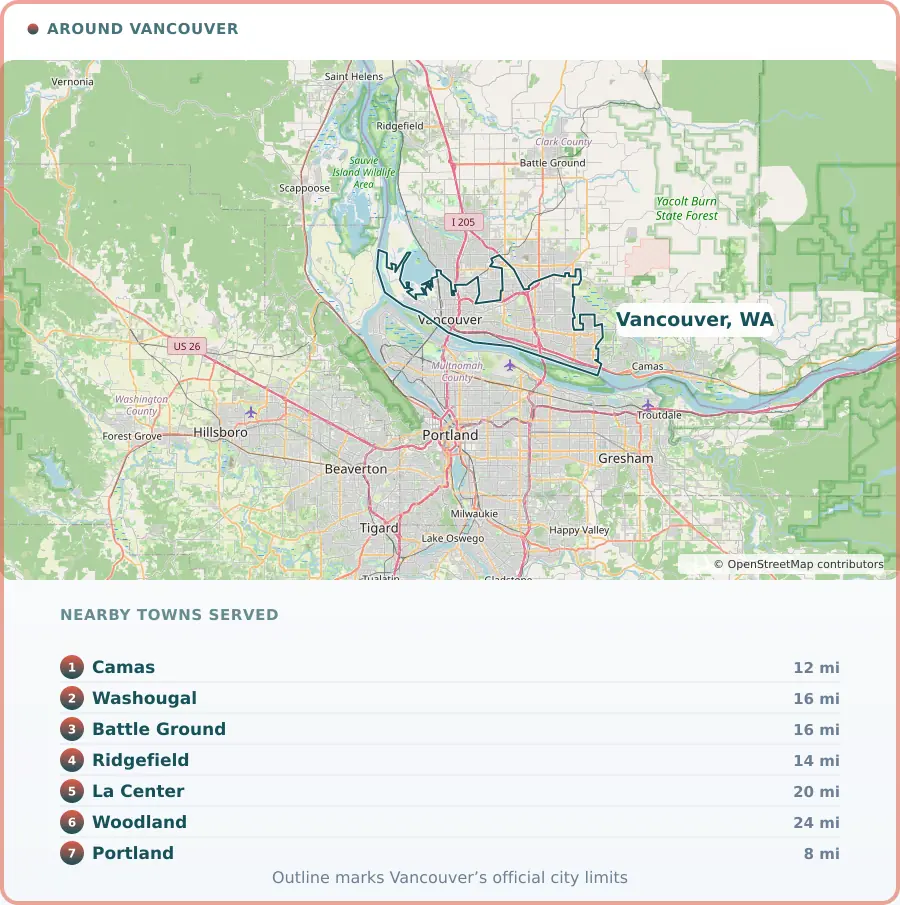
Coverage centres on Vancouver, WA and reaches 7 surrounding communities. Response time is what matters most in the hours after a problem is found, so knowing the ground is part of the job.
Vancouver, WA Information
Sitting just across the Columbia River from Portland, Oregon, Vancouver, WA has grown into a city of roughly 194,000 with an identity very much its own. Healthcare keeps the local economy steady, with PeaceHealth Southwest Medical Center and Legacy Salmon Creek Medical Center among the region's largest employers, while semiconductor and electronics manufacturers like SEH America and Sharp Microelectronics add industrial depth alongside familiar names such as Nautilus and Columbia Machine.
Clark County's lack of a state income tax keeps pulling new residents and businesses across the river, fueling steady growth in retail, logistics, and professional services. From the walkable charm of Esther Short to the family-friendly stretches of Cascade Park and Salmon Creek, Vancouver balances small-city warmth with big regional opportunity.
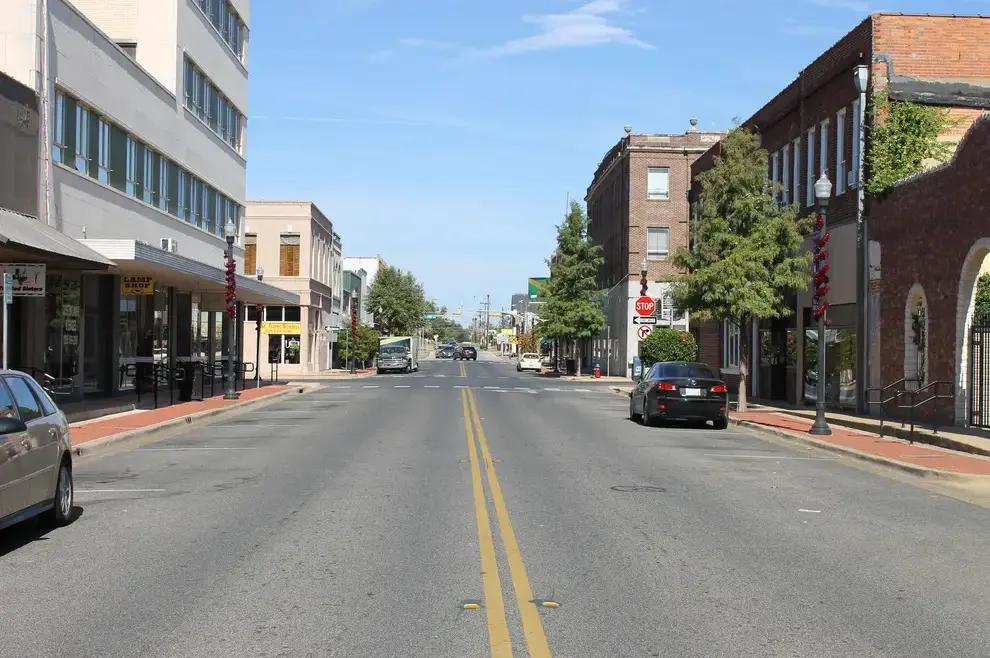
Photo: Billy Hathorn, CC BY-SA 3.0